
School Shoe Shopping: Your Guide to Finding the Perfect Fit
School shopping can be an overwhelming task, with a seemingly endless list of items to buy at the start of every new term. As you tick off the items on your checklist – new lunch box, water bottle, stationery – there’s one purchase that deserves special attention: school shoes.
Children spend around 30 hours a week in their school shoes, adding up to 15,000 hours during their school years. With so much time spent on their feet, it’s no surprise that the right footwear is essential for their comfort, confidence, and, most importantly, their long-term foot health. For this article, we have enlisted the expertise of Consultant Podiatrist Mr Michael O’Neill from Fix My Foot.
Table of contents
Why is children’s foot health so important?
When should babies get their first shoes?
Why is it important to measure children’s feet?
How quickly do kids’ feet grow?
Choosing the perfect pair of school shoes
Why is children’s foot health so important?
Children’s feet are more delicate than you may think. The bones in a child’s foot are soft and pliable, and they don’t fully harden until their late teens. This means that ill-fitting or unsupportive shoes can have a lasting impact on their development, potentially leading to problems in their feet, ankles, knees, and even their back later in life. Well-fitting, supportive school shoes can help support their foot development as they grow.
Children’s foot development stages
Infancy (0-2 years): Babies’ feet are soft and flexible with a pad of fat where the arch will be. Encouraging them to kick and move helps strengthen these developing muscles. Before they walk confidently, it’s best to let babies go barefoot as much as possible to support natural foot development and improve balance.
Toddlers (2-4 years): As little ones begin to walk, their feet become broader and remain quite flat. Balance and coordination begin to improve as they become more active. It’s important to encourage barefoot play to develop their balance and strength further.
Young child (4-8 years): The arch becomes more visible as their feet take on a more defined shape. Supportive footwear becomes important at this stage as they start school and spend more time on their feet.
Pre-teens (9-12 years): The foot structure continues to develop. “Growing pains” become more common as growth periods come thick and fast. It’s important to keep an eye on footwear throughout these years, as shoes can get outgrown quickly.
When should babies get their first shoes?
According to The Royal College of Podiatry, babies should get their first shoes only when they start walking confidently, usually around 12 months. Their first shoes should be flexible with non-slip soles to provide support and traction.
What about socks?
Mr O’Neill says: “Ensure socks are made from soft, breathable materials like cotton and fit well without being too tight. For little ones starting to crawl or walk, socks with non-slip grips on the soles are a great choice to prevent slipping.”
Why is it important to measure children’s feet?
Properly measuring your child’s feet is one of the most important steps in buying shoes. The Royal College of Podiatry emphasises that a correct fit is crucial for healthy development and the prevention of discomfort. Shoes that are the wrong size can cause blisters, ingrown toenails, and even long-term issues like bunions.
Regular measurement allows you to keep up with growth and spot potential issues early.
Mr O’Neill told us: “For younger children, foot changes can happen rapidly, so frequent measurement—every 8 weeks for toddlers and every 3-4 months for older children—is recommended.”
While measuring is important, you should also check the fit of your child’s shoes carefully to ensure they are suitable.
Here is what to look out for:
Heel grip: Ensure the heel fit is secure by having your child sit down, then gently pull on the heel of the shoe to check it doesn’t slide around too much.
Top of the shoe: Have your child stand up and use your fingers to feel around the top of the shoe. There should be no gaps, but also shouldn’t be uncomfortably tight.
Ankle: The shoe should not touch the ankle bone, as this can cause uncomfortable rubbing. Some shoes feature a padded collar designed to support the ankle. If this touches the ankle bone, it will feel soft and shouldn’t cause problems.
Length: Feel the top of the shoe for the end of your child’s longest toe. Check that it isn’t pressing against the end of the shoe. School shoes should allow for between 0.5cm – 1.5cm of growing room.
Width: Feel along the side of the shoes for any pressure or bulging. The widest part of the foot should sit in the widest part of the shoe.
Depth: Check the depth by rubbing your thumb along the top of the shoe. The leather should move with a small ripple. If there is no movement, the shoe is too narrow. If you can push the leather into a ridge, the shoe is too wide.
Walking: Have your child walk around. They should be able to walk easily, naturally and comfortably without any slipping or gaping in the shoes.
Expert tip from Mr O’Neill: Measure your child’s feet in the afternoon or evening when they are at their largest. Always measure both feet and use the size of the larger foot.
At Daniel Stores, our shoe fitting experts will check all of this for you to ensure your child gets the perfect fit. Pop into our store today for a free, friendly fitting!
How quickly do kids’ feet grow?
Children’s feet grow very quickly. In the first three or four years, kids’ feet can grow as much as two shoe sizes per year. By school age, growth slows down to around one size each year, which we’re sure is a relief to parents!
How often should children’s shoes be replaced?
You should replace your child’s school shoes in line with their foot growth. As we’ve discussed, kids’ feet tend to grow at a rate of one whole shoe size a year by the time they’re in school. Most parents tend to replace their children’s school shoes once a year when the new term starts in September – fresh term, fresh shoes!
However, if your child goes through a “growth spurt”, they may need replacing more frequently. It also depends on wear and tear. If your child’s school shoes have been through their paces and then some, you might need to replace them sooner to ensure your child’s feet are being properly supported.
Mr O’Neill shared a few things to look out for that might indicate that your child is ready for a new pair of shoes:
Signs of wear: Uneven or worn-down soles, stretched materials, or a loss of cushioning are clear signs it’s time for a new pair. Worn-out shoes don’t provide the right support and can affect your child’s posture.
Activity level: Very active children may wear out their shoes more quickly, requiring more frequent replacement.
Sole Integrity: Look for worn-down areas on the soles or loss of cushioning, as these can affect your child’s posture and comfort.
Choosing the perfect pair of school shoes
With so many different styles and brands to choose from, finding the right school shoes can feel overwhelming. At Daniel Stores, we’ve curated a fantastic collection of school shoes from Start-Rite, designed with your child’s foot health in mind.
Here are a few things to look for when choosing your child’s next pair of school shoes:
- The right fit: This is the most important factor of all. There should be about a thumb’s width of growing room between the end of the longest toe and the front of the shoe. The shoes should be wide enough to accommodate the natural shape of the foot, and the heel should fit snugly to prevent slipping. We offer a professional in-store fitting service to ensure your child gets the perfect fit.
- Supportive and durable: Look for shoes with a firm heel counter and a supportive arch. The soles should be sturdy but flexible, allowing for natural movement. Children spend a lot of time in the playground, so durability is key!
- Breathable materials: Children’s feet can get sweaty, so it’s important to choose shoes made from breathable materials to help keep their feet cool, dry, and healthy.
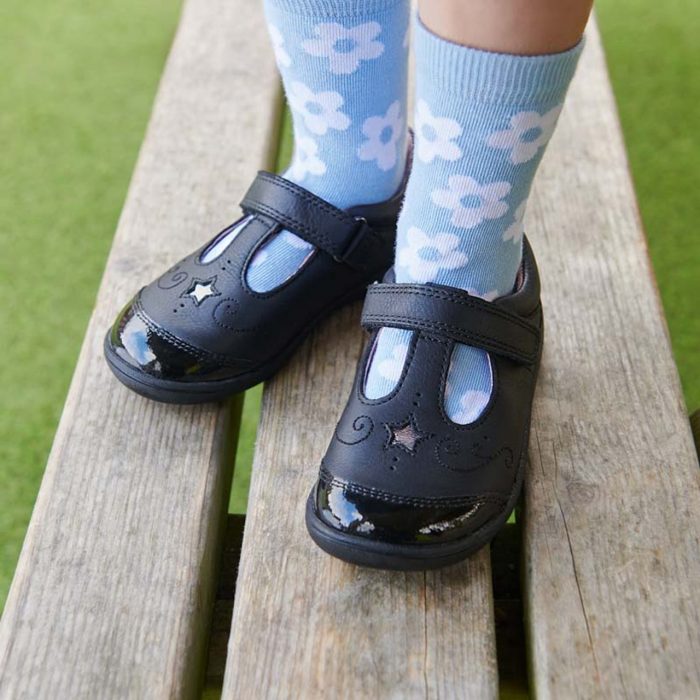
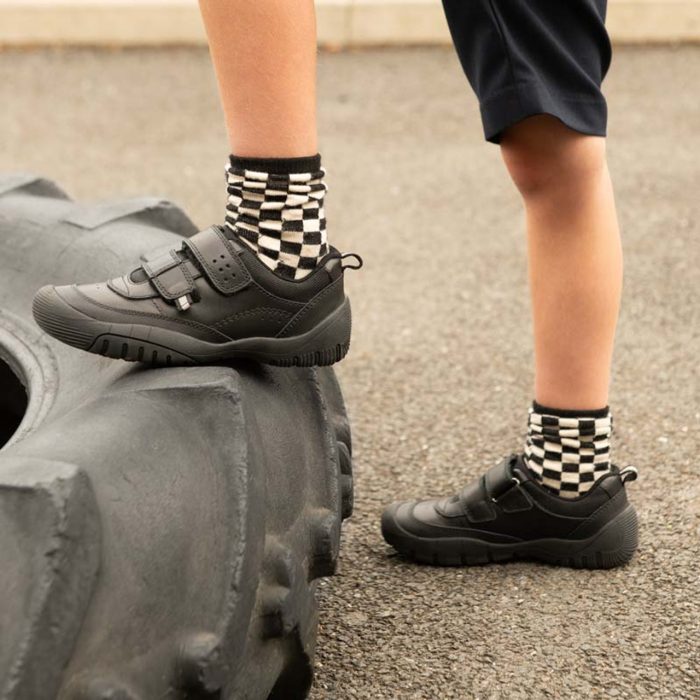
- Easy to fasten: For younger children, shoes with Velcro or buckle fastenings are a great choice as they are easy for them to manage themselves.
Step into our store or shop online
Investing in a good-quality pair of school shoes is an investment in your child’s future health and well-being. At Daniel Stores, we are passionate about children’s foot health and are here to help you find the perfect pair of shoes for your child.
We offer free in-store shoe fitting! Come and see us in our Windsor store, and our friendly, experienced team will be happy to help you find the perfect shoes to see your child through the new school year.
Comments are closed here.